Nobody Told the CD It Was Dead
November 25, 2026
The CD was supposed to be dead. Nobody told the CD. In the first six months of 2026, CD revenue in the United States jumped 58.6% to $171.1 million on 17.5 million units, according to the Recording Industry Association of America — the fastest growth of any physical format, and the first time in a decade that CD sales have outpaced vinyl’s growth.

It’s a real number, but it needs its context. The CD is still a small format. Streaming took in $4.9 billion in the same six months, 82% of all recorded music revenue. Vinyl still outsells the CD, $543.8 million to $171.1 million. And 2025 was a down year for the format: 29.5 million CDs sold, worth $312.4 million, down 11.6% on the year before. The comeback starts from a low place. It is a comeback all the same.
The CD Comeback: Sales Surge 59% in 2026 as Collectors Return
Two different counters tell the same story. The RIAA counts wholesale shipments, and it has CD units up 45.7% in the first half of the year. Luminate counts sales at the register, and it has CD sales up 16% to 16.3 million units, against vinyl growth of 2.4%. The numbers disagree on size because they measure different things. They agree on direction, and Luminate’s version carries the sharper headline: CD sales grew nearly seven times faster than vinyl in the first half of 2026.
More than half of that growth comes from one place: K-pop. BTS sold 567,000 copies of ARIRANG in the first half of the year, and collectible editions with photo cards and alternate covers have turned the CD into an object fans buy in multiples. Strip K-pop out, and the growth is smaller but still real: Luminate has CD sales up 6.7% without it.
CDs Are Selling Again — and This Time It’s Not Just Nostalgia
The buyers are the surprise. A Luminate survey found 34% of Gen Z music fans bought at least one CD in the past 12 months, up from 22% in 2023. Half of Gen Z and millennial CD buyers don’t own a CD player at all. They’re buying to own, not to play — a physical copy of music they love, in a world where streaming is rented, not owned. Vinyl got expensive, and the CD became the affordable collectible: a standard CD runs about $14, against $30 or more for a new LP.
The older buyers are still there too. Nostalgia drives 71% of CD purchases among buyers over 30, and in Britain, CD players are selling again — John Lewis reported player sales up 74% in the last year. Luminate puts it plainly: buying physical music is “as much about aesthetic ownership and direct financial support for the artist as it is listening to the music on the product itself.” A CD is the cheapest way to put money directly in an artist’s pocket.
“Buying physical music is as much about aesthetic ownership and direct financial support for the artist as it is listening to the music on the product itself.” — Luminate, 2026 Midyear Report
A note of caution belongs here too. Digital Music News calls the surge a possible “sugar high” tied to a handful of blockbuster releases, and the RIAA’s full-year report will show whether the first half holds. The format’s peak is a long way back: 942.5 million CDs shipped in 2000, against 29.5 million sold last year. Nobody is calling the CD king again. But a format that was written off is growing, and growing faster than the format that replaced it.
Four Discs Making a Comeback
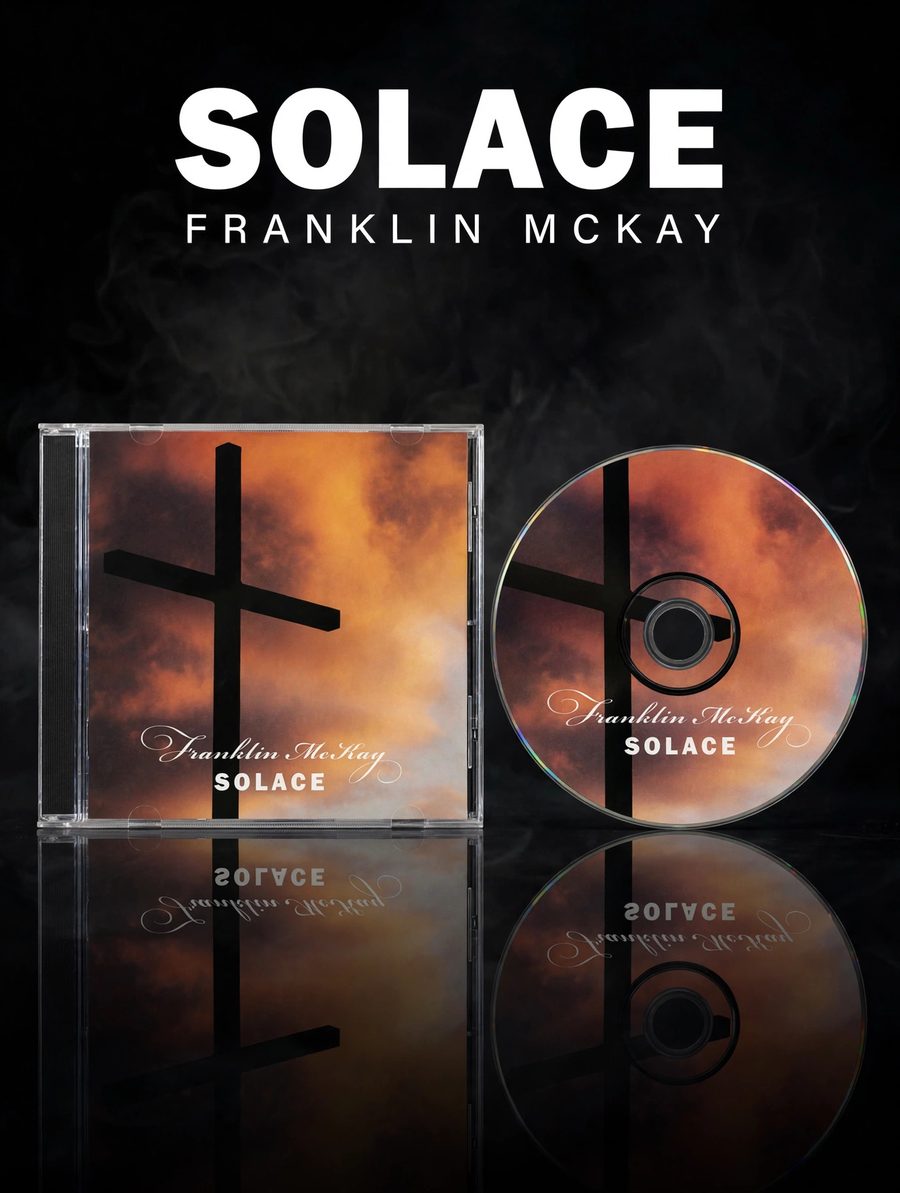
That puts the format’s second act in a useful light for independent artists — and for one Canadian songwriter’s shelf. Franklin McKay, a 6X Billboard-charting songwriter with three Adult Contemporary hits and three more on Christian Airplay, has four albums on CD, pressed 1,000 copies each. They were made when the CD was the way music was sold. Now the format is growing again, and those four discs are the comeback in miniature: Solace, his 2017 EP dedicated to his mother; Just Sayin’; Motleys Anthem; and The Mixes, 18 versions of six songs in dance, club, AC and karaoke form.
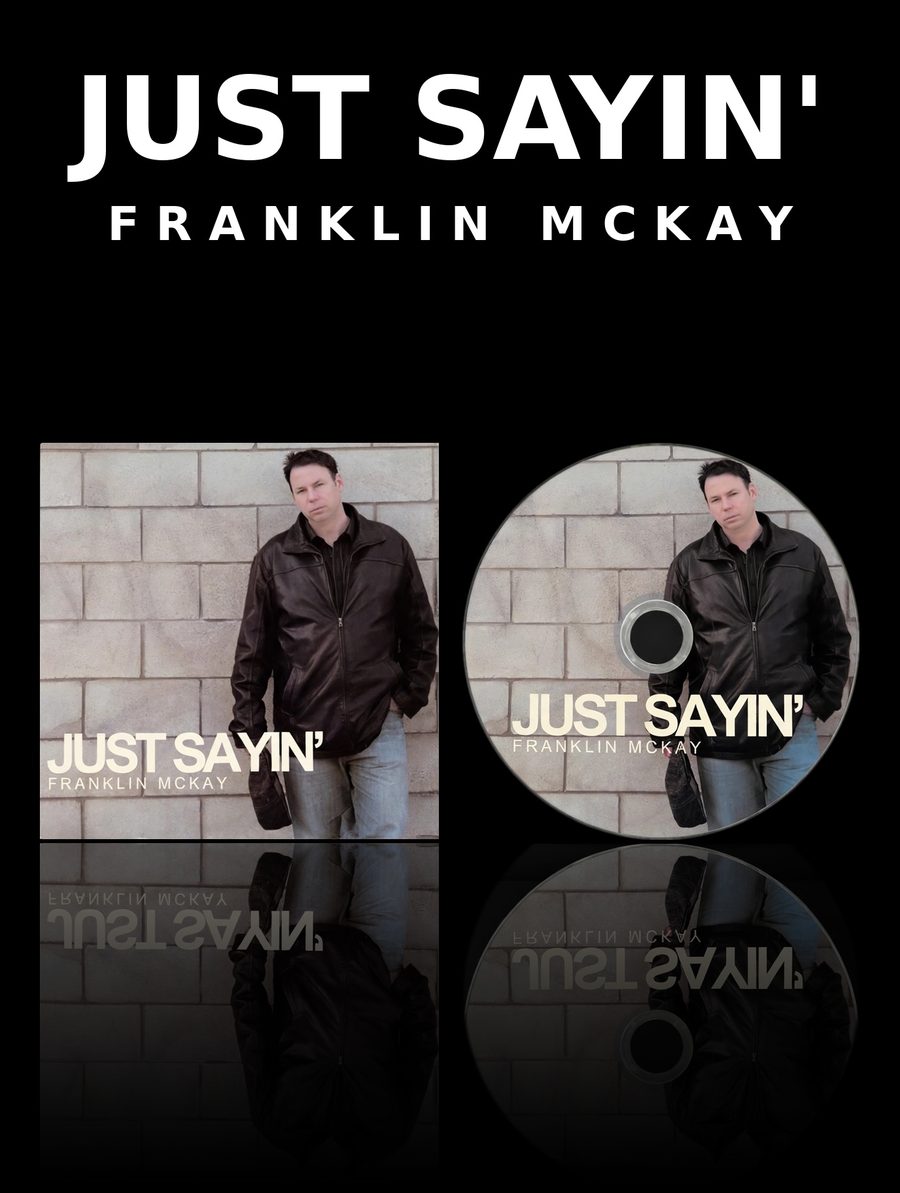
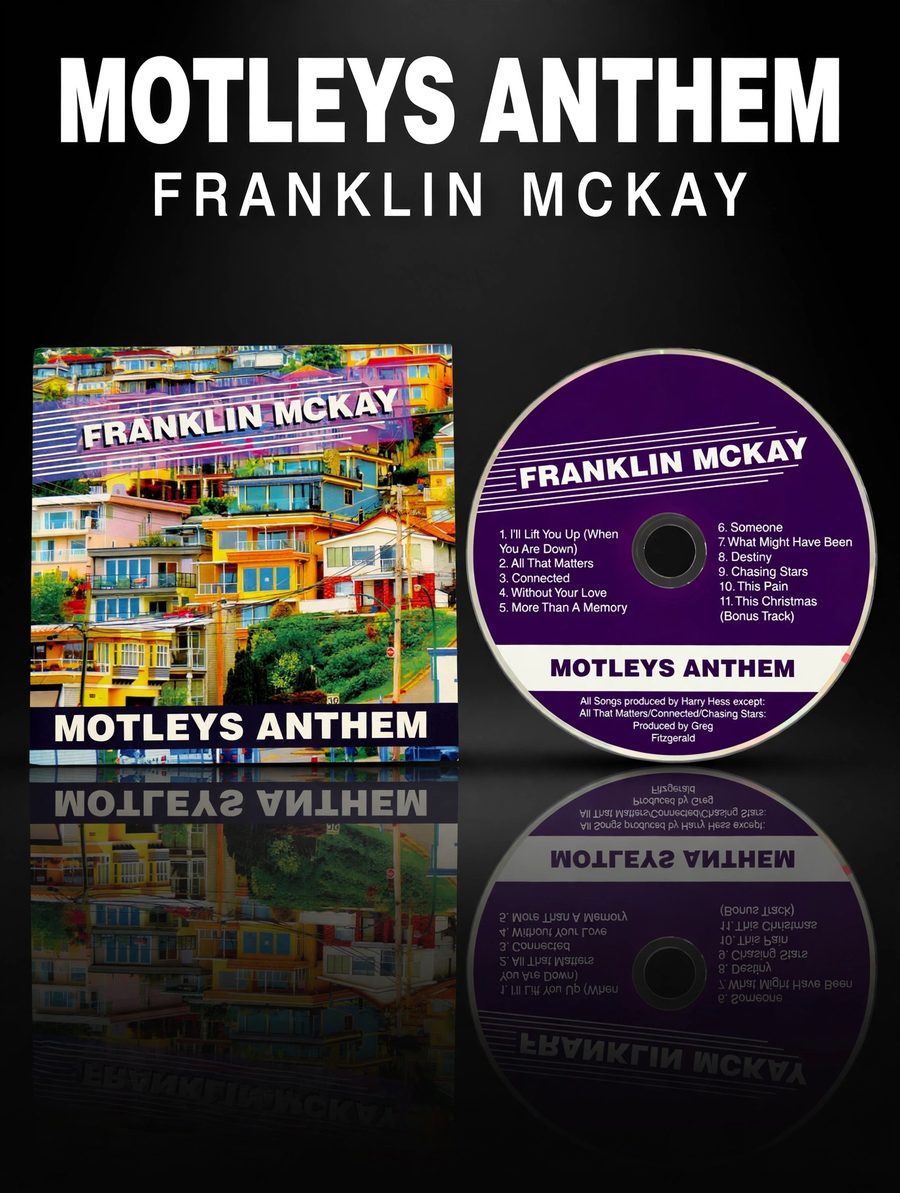
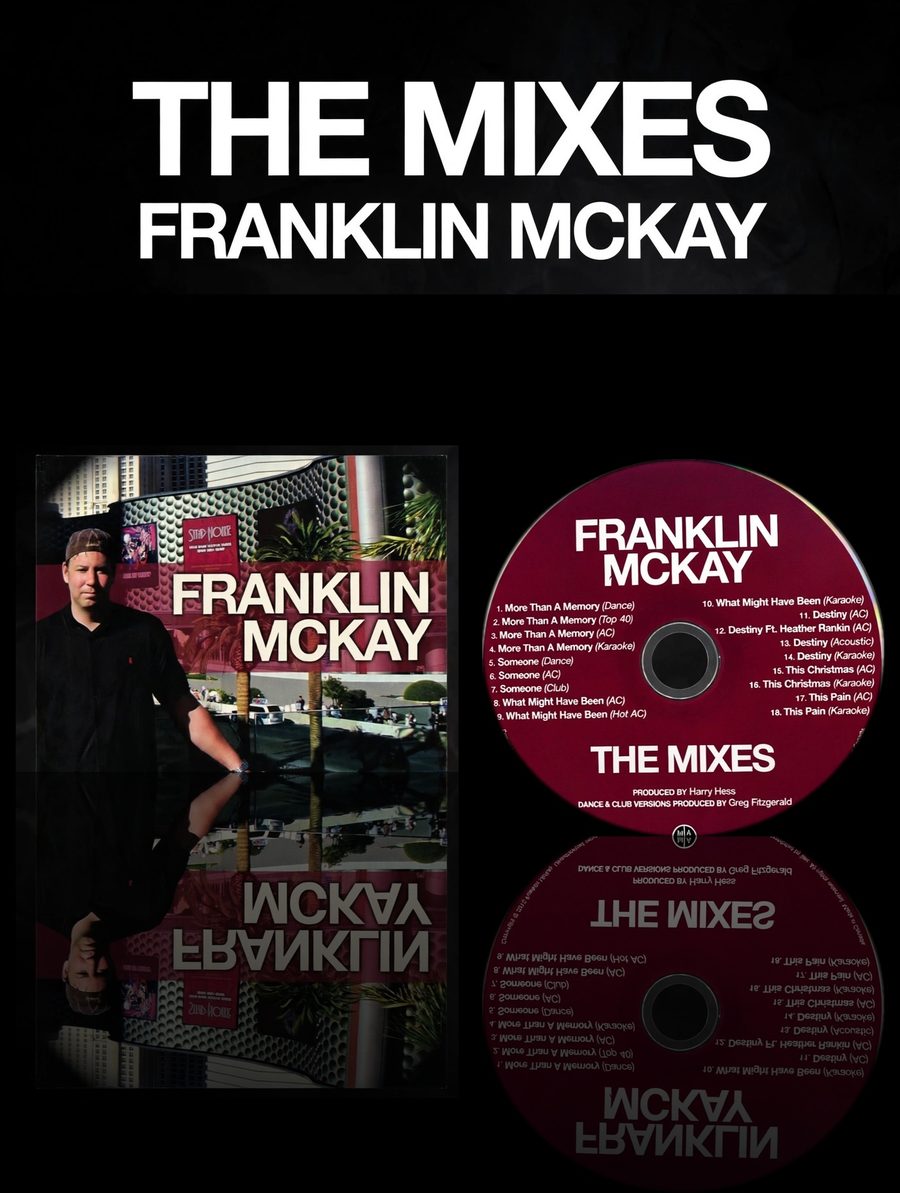
Two more albums, Awake and Invincible, never made it to disc — a first pressing of both is under consideration, with no date set. But the four that exist already tell the story: the CD never quite went away, and now it’s coming back.
That’s the CD’s second act in one sentence: it’s not the way most people listen anymore, but it’s the way the people who care most choose to own. A stream pays fractions of a cent. A disc on a shelf says the songs matter enough to keep. Hear the catalog at franklinmckay.com.
Sources: RIAA, 2026 Mid-Year Recorded Music Revenue Report · RIAA, mid-year announcement · Luminate, 2026 Midyear Report · Stereogum · Inc. · Exclaim! · Digital Music News · The Daily · franklinmckay.com
the daily · franklin mckay