Travel — Georgetown, Washington, D.C.
The Power of Christ Compels You: Seventy-Five Steps in Georgetown
November 28, 2026
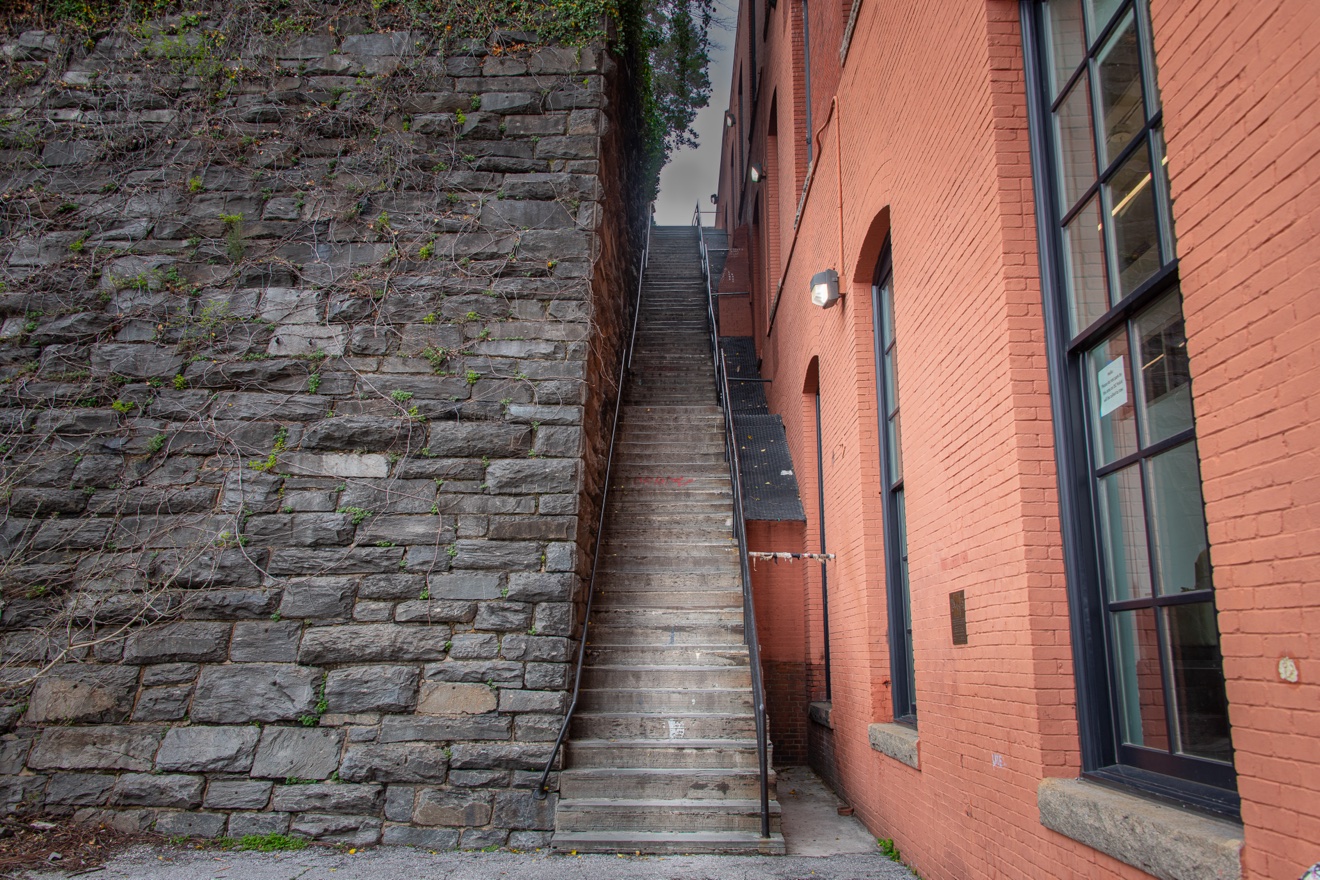
Seventy-five stone steps in Georgetown, the fall of Father Karras, and a walk that still feels like the movie.

Stand at the bottom and look up, and the steps look like they never end. Seventy-five stone steps, steep and narrow, climbing between a rough stone wall on one side and the red brick of the old car barn on the other, up to a small patch of sky at the top. They are just stairs, concrete and stone, open to anyone, free to climb. But everybody who stands at the bottom knows what happened here, and the steps know it too.
The Daily went to Washington and walked them, more than once. You can feel the evil energy of the movie while walking the steps. That sums it up, really. The film is more than fifty years old, the steps are more than a hundred and thirty, and the feeling has not faded at all. Washington is beautiful, and the city itself is an amazing walking city, with so much to see and do, and the steps are one of the stops that stays with you after you leave.
The steps are famous for one scene in one film. In The Exorcist, from 1973, directed by William Friedkin and based on the novel and screenplay by William Peter Blatty, Father Damien Karras throws himself out of the bedroom window of the MacNeil house and plummets the seventy-five steps to his death, taking the demon with him. It is the climax of the film, and it made these steps the most famous staircase in horror. The crew padded the steps with half-inch rubber to film the fall, and the stuntman tumbled down them twice. Georgetown University students charged people around five dollars each to watch the stunt from the rooftops.
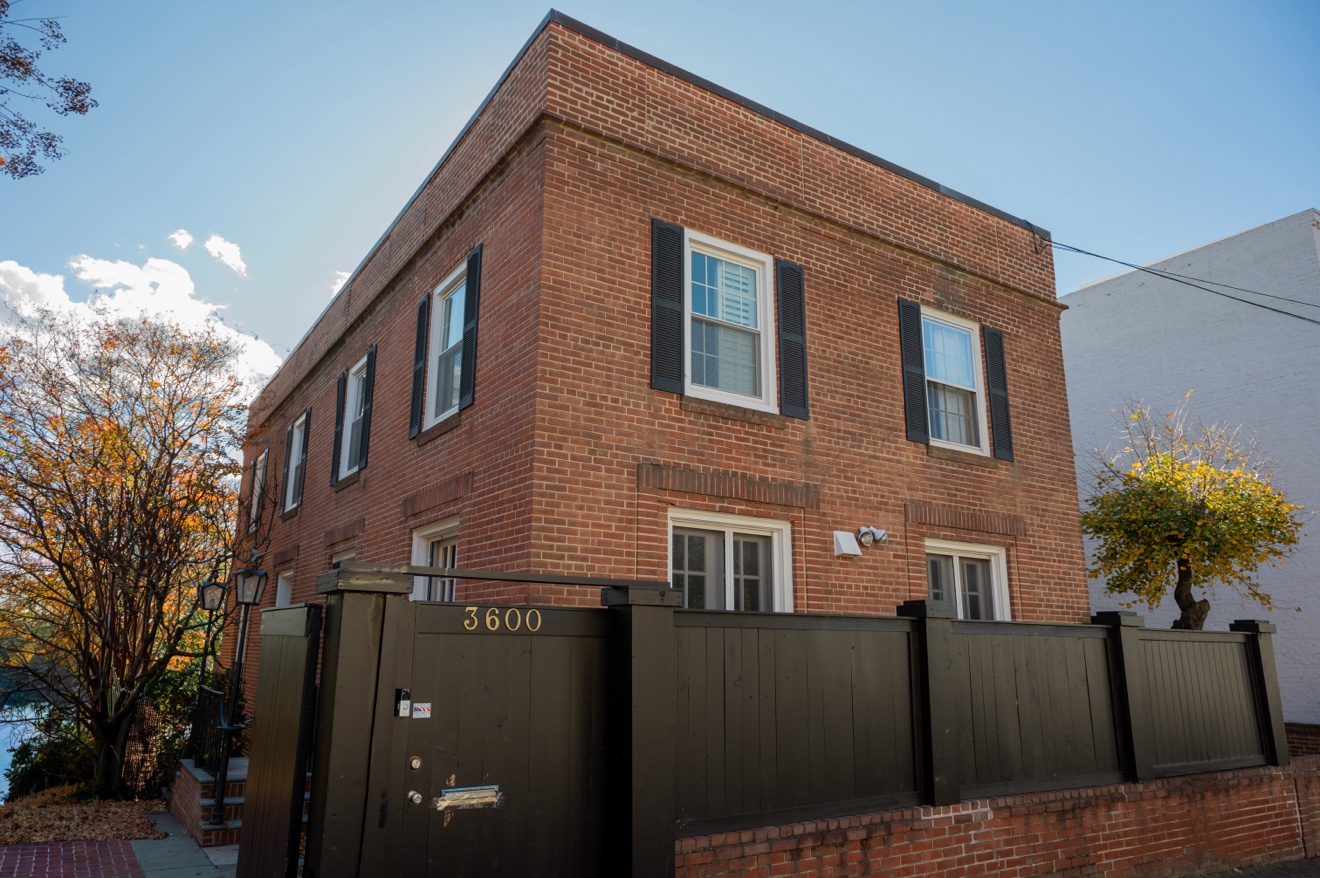
The house at the top is part of the scene too. The rowhouse at 3600 Prospect Street NW played the MacNeil house in the film, and the crew dressed it up for the camera, adding a mansard roof and a wooden extension with a window so Karras could fall out of it and reach the steps. The real house sits a little back from the steps, so the extension was a false front, built for the shot and gone when the crew left. The house is still a private home today, and people live there, so the visit is from the pavement, the way it should be.
The story behind the film started right here as well. Blatty was a junior at Georgetown University in 1949 when he read a newspaper account of a Maryland boy, said to be possessed, whose case drew Jesuit priests to perform a series of exorcisms. It stayed with him for more than twenty years. His novel came out in 1971, and the film followed in 1973. The real case was nothing like the film: it was a boy, not a girl, no priest died, and nobody fell down a flight of stairs. Blatty kept the core, a family desperate for help and a priest with doubts, and built the rest around it.
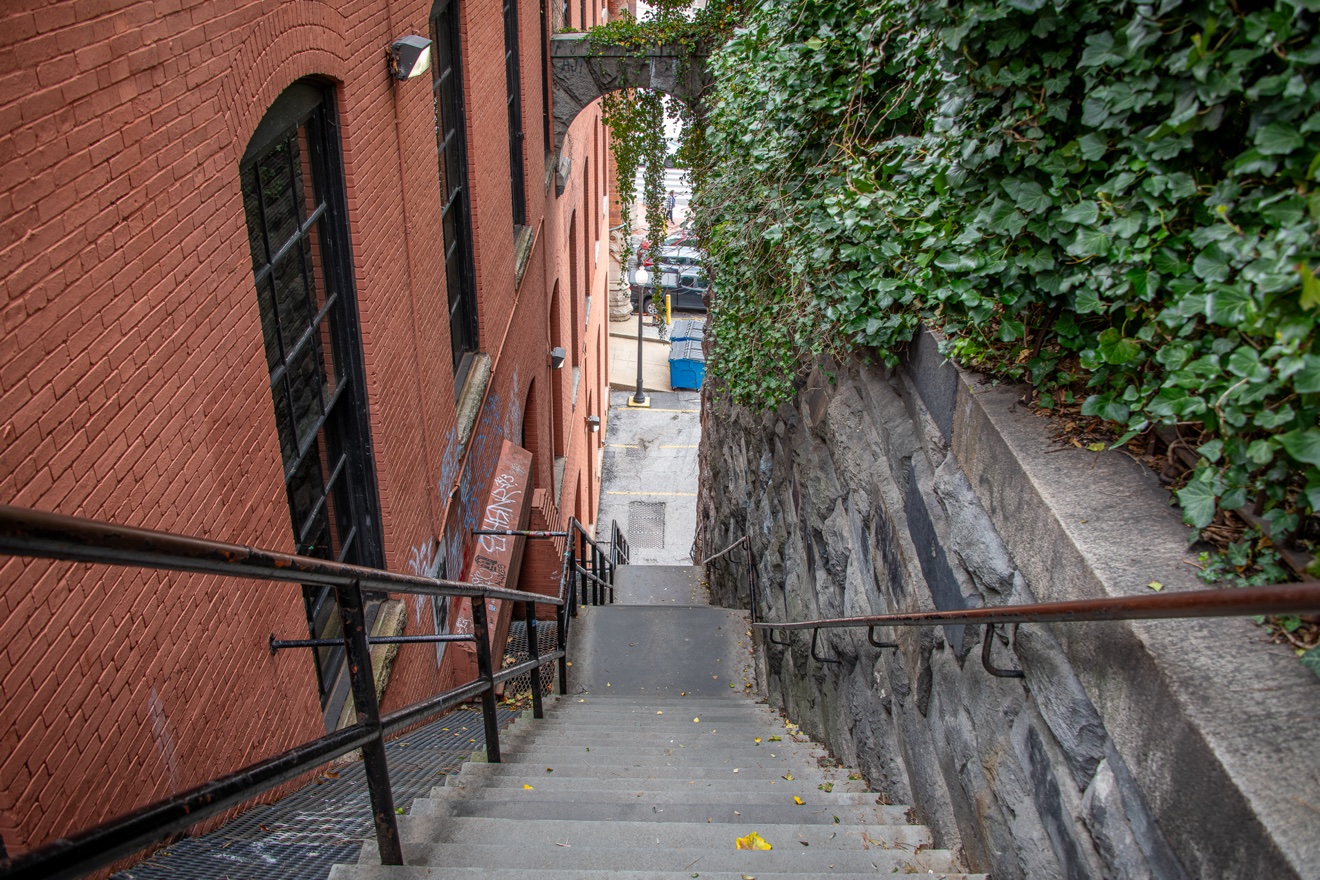
The steps themselves are older than the film by a long way. They were built in 1895 by George Killeen, a prominent local figure, during construction of the adjacent Capital Traction Company car barn, as a lightwell and a public right of way between Prospect Street and the street below. They served the neighbourhood for nearly eighty years before a film crew ever looked at them. They still serve it now. Joggers and local crew teams run them for exercise, and on Halloween night the Georgetown business district runs a light show on the steps, free, with fog and music until eleven.
The city made it official on Halloween weekend in 2015, when Mayor Muriel Bowser unveiled a plaque at the base of the steps, with Friedkin and Blatty both there, recognising the steps as a D.C. landmark and an official tourist attraction. The steps were designated a Historic Landmark in 2019. The plaque is still there at the bottom, easy to miss if you are looking up.
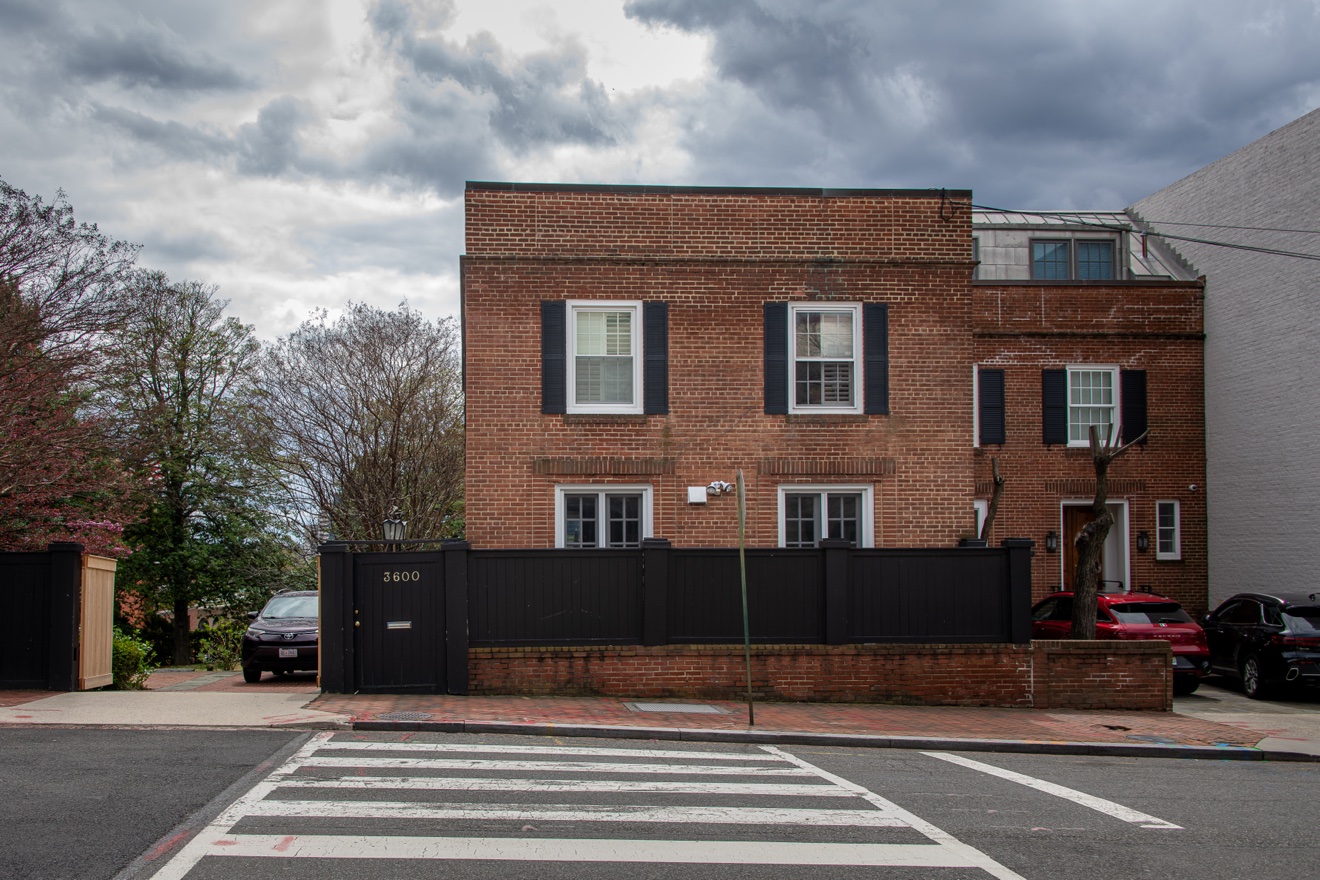
Go in the daytime, and go on foot, the way the city is meant to be walked. The steps are public and always open, and the climb is the point: seventy-five steps up, fifty feet of rise, with the car barn on your right and the stone wall on your left. At the top, turn around and look down, and you will see what the camera saw. Then walk the short distance to the house at 3600 Prospect Street, take the photo from the street, and move on. It is a private home, and a quiet street, and a short, respectful visit is the right kind.
Fifty years is a long time for a film to keep a staircase famous, and a longer time for a staircase to keep doing its ordinary job. The steps were here before the movie, and they will be here long after the last person who saw it in a theatre is gone. But on a Halloween night, with the light show running and the fog machines going, the whole street feels haunted all over again, and the evil energy is right there waiting for the next person to climb.
Sources: Wikipedia, “Exorcist steps” (the 75 steps, built 1895, the fall, the plaque) · Historical Marker Database, “The Exorcist Steps” (the marker inscription, the 2015 commemoration) · Historical Marker Database, “Hollywood on the Potomac” (the house, the false front) · the film The Exorcist itself. The visit, the photographs, and the take on the steps are the paper’s own.
The Exorcist — directed by William Friedkin, written by William Peter Blatty (1973). Photographs by Franklin McKay.
the daily · franklin mckay